

Top 10 Certifications Every Yacht Crew Member Should Consider

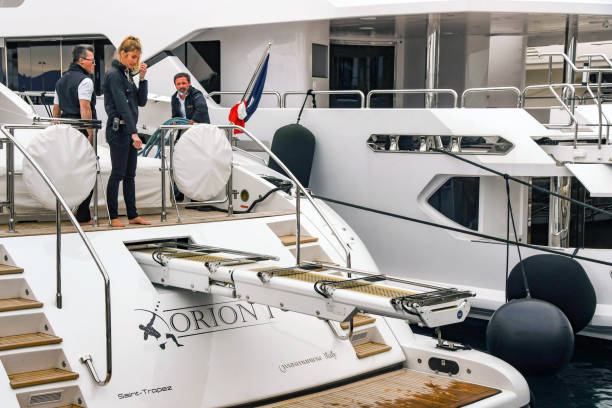
Whether you’re a newcomer to the yachting industry or a seasoned professional looking to upgrade your skills, obtaining relevant certifications is essential. Certifications not only enhance your knowledge and proficiency but can also open doors to more rewarding career opportunities. Here, we present the top ten certifications every yacht crew member should consider.
1. STCW Basic Training
The Standards of Training, Certification and Watchkeeping (STCW) is the foundation of nautical certifications. It’s mandatory for all seafarers and covers basic safety training, including personal survival techniques, fire prevention and firefighting, elementary first aid, and personal safety and social responsibilities.
2. ENG1 Medical Certificate
The ENG1 is a seafarer’s medical examination, mandatory for all yacht crew, confirming that an individual is fit to work at sea.
3. Powerboat Level 2
This certificate is essential for crew members who operate tender boats. It provides training in high and low-speed handling, man overboard recovery, and collision regulations.
4. Yachtmaster Offshore and Coastal
Offered by the Royal Yachting Association (RYA), these qualifications are key for those considering roles like a yacht captain or first officer, emphasizing practical piloting, navigation, safety, and command skills.
5. Yacht Rating Certificate
A Yacht Rating Certificate can provide an edge to those starting in the yachting industry. It includes seamanship skills such as rope work, anchoring, and watchkeeping.
6. Marine Cookery Certification or Ship’s Cook Certificate
For chefs, a Marine Cookery Certification or Ship’s Cook Certificate is crucial, focusing on nutrition, menu planning, food safety, and more, tailored for the maritime environment.
7. Advanced Fire Fighting
This certification provides advanced training on controlling fire-fighting operations on board, organizing and training fire parties, and inspecting and servicing fire detection and extinguishing systems and equipment.
8. PADI Divemaster or Instructor
For crew members involved in guest activities like diving, becoming a Professional Association of Diving Instructors (PADI) Divemaster or Instructor can be valuable.
9. GMDSS Radio Operator’s Certificate
The Global Maritime Distress and Safety System (GMDSS) certificate is necessary for officers and anyone involved in the operational use of GMDSS equipment.
10. Helicopter Landing Officer (HLO)
For larger yachts with helicopter capabilities, an HLO certification can be a unique asset, focusing on safety and procedures when a helicopter is landing on or taking off from the yacht.
In conclusion, the right certifications can greatly enhance your prospects in the yachting industry. They not only demonstrate your commitment and professional approach to your role but also ensure that you’re equipped with the skills necessary to ensure safety and provide the best service on board. Remember, investing in yourself is the best investment you’ll ever make. Good luck on your yachting career journey!



Responses